Fred Brecheen
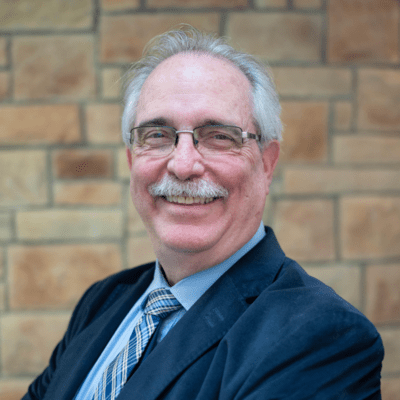
Fred Brecheen, O.D., optometrysta-terapeuta
Dr. Brecheen, który całe życie mieszkał w Teksasie, wyjechał do Forest Grove w stanie Oregon, aby w 1990 uzyskać z wyróżnieniem tytuł doktora optometrii na Pacific University College of Optometry. Powrócił do Teksasu, aby rozpocząć karierę optometryczną, świadcząc usługi w zakresie podstawowej opieki dla mieszkańców hrabstwa Dallas. W tym czasie kontynuował naukę i ukończył kursy Concentrated Ocular Therapeutics oraz Glaucoma Specialist na Uniwersytecie w Houston. Kontynuuje swoją edukację za pośrednictwem Optometric Extension Program Foundation oraz College of Optometrists in Vision Development. Jest członkiem obu tych grup, jak również: American Optometric Association, Texas Optometric Association, Dallas County Optometric Society i North East Texas Optometric Society. Jest absolwentem i wieloletnim współpracownikiem klinicznym OEPF.
W lipcu 2011 dr. Brecheen zakupił praktykę od Kenneth'a Lane’a, O.D., swojego byłego wspólnika. Praktyka od ponad 40 lat zajmuje się terapią wzroku dla osób z zaburzeniami czytania i nauki związanymi ze wzrokiem, zezami, niedowidzeniem, dysfunkcjami widzenia obuocznego i problemami z postrzeganiem głębi. Dr. Brecheen z pasją kontynuuje i rozwija tę dziedzinę praktyki.
Dr. Brecheen jest szczęśliwie żonaty z Lindą Brecheen od ponad 30 lat. Wspólnie wychowali trzy córki, które obecnie są nauczycielkami w stanie Teksas. Wszyscy członkowie rodziny wierzą w sens kształcenia się przez całe życie i są zaangażowani w edukację innych.
2026-04-17
- BEHAWIORALNE METODY TERAPEUTYCZNE
- Sala Plenarna
- BEHAWIORALNE METODY TERAPEUTYCZNE
- Sala Plenarna
- BEHAWIORALNE METODY TERAPEUTYCZNE
- Sala Plenarna
2026-04-18
- BEHAWIORALNE METODY TERAPEUTYCZNE
- Warsztat A
Gross Motor Movement / - Fred Brecheen, OD, COEP We will explore the Anti-Gravity Circle in Skeffington's Four Circles of Vision - the "Where Am I" circle. Necessary components include the...
Gross Motor Movement / - Fred Brecheen, OD, COEP We will explore the Anti-Gravity Circle in Skeffington's Four Circles of Vision - the "Where Am I" circle.
Necessary components include the vestibular system and balance, body schema and tone, motor behavior and asymmetry, and crossing the midline. These areas should show how the three body triangles work together. Good gross motor control leads to good fine motor control and better binocular vision.
- BEHAWIORALNE METODY TERAPEUTYCZNE
- Warsztat A
Gross Motor Movement / - Fred Brecheen, OD, COEP We will explore the Anti-Gravity Circle in Skeffington's Four Circles of Vision - the "Where Am I" circle. Necessary components include the v...
Gross Motor Movement / - Fred Brecheen, OD, COEP We will explore the Anti-Gravity Circle in Skeffington's Four Circles of Vision - the "Where Am I" circle.
Necessary components include the vestibular system and balance, body schema and tone, motor behavior and asymmetry, and crossing the midline. These areas should show how the three body triangles work together. Good gross motor control leads to good fine motor control and better binocular vision.
- BEHAWIORALNE METODY TERAPEUTYCZNE
- Warsztat A
Gross Motor Movement II - Fred Brecheen, OD, COEP This is a more in-depth study to show the effects of lenses and prisms on the "Where Am I" circle of Skeffington's Four Circles of Vision. W...
Gross Motor Movement II - Fred Brecheen, OD, COEP This is a more in-depth study to show the effects of lenses and prisms on the "Where Am I" circle of Skeffington's Four Circles of Vision. We will look into the vestibular system and balance, body movement and asymmetry, and crossing the midline. We will see how these "magical" lenses can cause a dramatic effect on these gross motor movements to lead to better binocular vision.
- BEHAWIORALNE METODY TERAPEUTYCZNE
- Warsztat A
Gross Motor Movement II - Fred Brecheen, OD, COEP This is a more in-depth study to show the effects of lenses and prisms on the "Where Am I" circle of Skeffington's Four Circles of Vision. W...
Gross Motor Movement II - Fred Brecheen, OD, COEP This is a more in-depth study to show the effects of lenses and prisms on the "Where Am I" circle of Skeffington's Four Circles of Vision. We will look into the vestibular system and balance, body movement and asymmetry, and crossing the midline. We will see how these "magical" lenses can cause a dramatic effect on these gross motor movements to lead to better binocular vision.

